

Understanding the Unwanted Guest in Your Walls
If you’re wondering how to fix rising damp, you should know this common problem occurs when ground moisture travels up through walls via capillary action. This leads to musty smells, mould, and potential structural damage, a frequent concern for owners of older Sydney properties. The good news is that it’s a solvable issue.
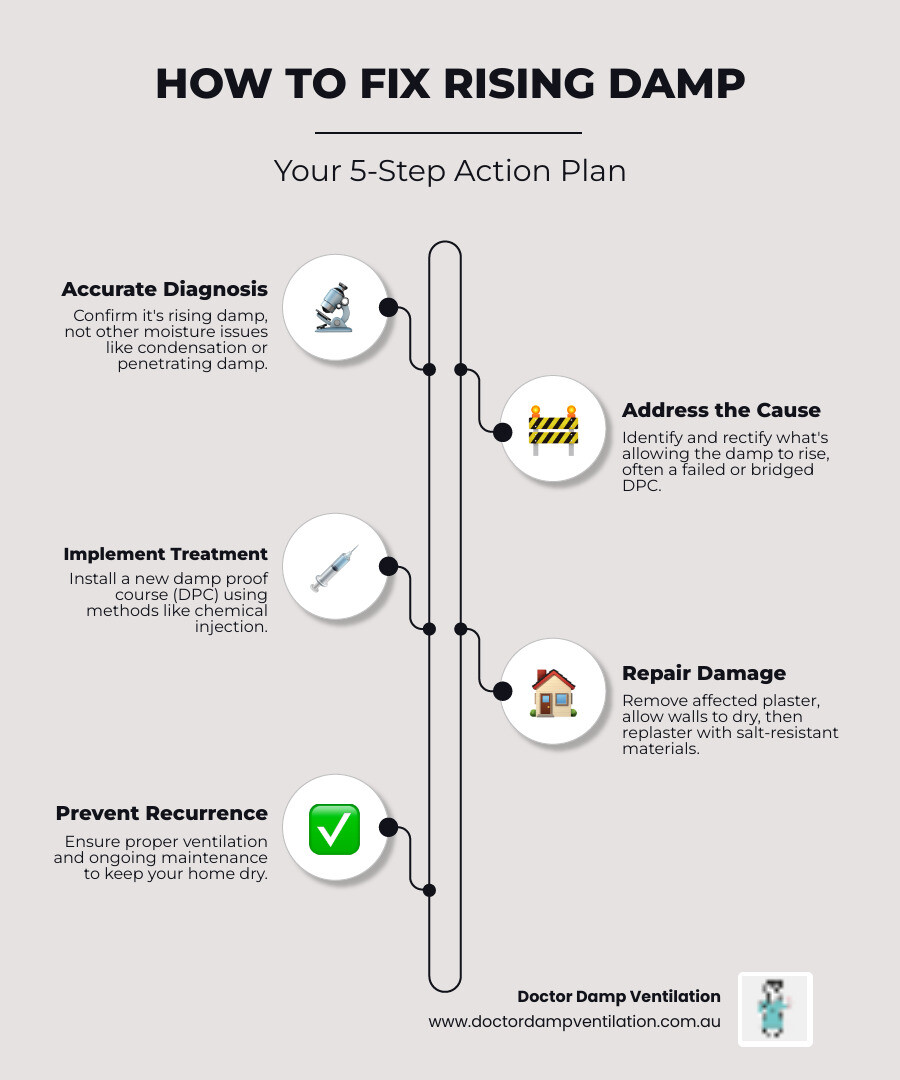
Fixing rising damp involves several key steps:
- Accurate Diagnosis: Confirming it’s rising damp, not condensation or penetrating damp.
- Addressing the Cause: Finding and fixing the source, like a failed damp proof course (DPC).
- Treatment: Installing a new DPC via chemical injection or a physical barrier.
- Repair: Removing affected plaster, drying the wall, and replastering with salt-resistant materials.
- Prevention: Ensuring good ventilation and maintenance to prevent recurrence.
Understanding the problem is the first step. I’m Scott Lambert, founder of Dr. Damp. With over 20 years of experience helping Sydney homeowners solve moisture issues, I’m an expert in how to fix rising damp permanently. This guide will walk you through the process.
Similar topics to how to fix rising damp:
Is It Really Rising Damp? Diagnosis is Key
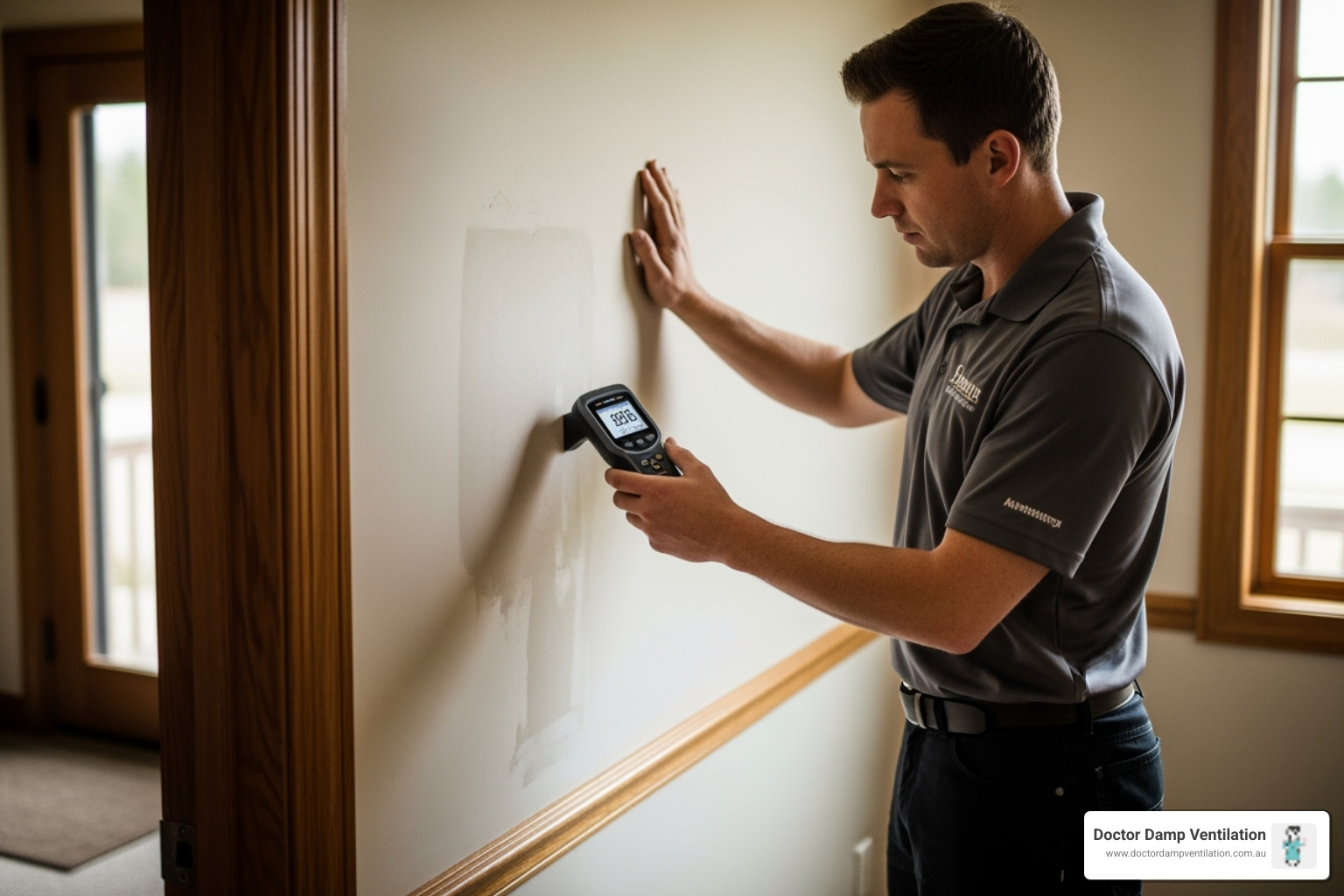
Before you learn how to fix rising damp, you must confirm it’s the real issue. Misdiagnosis is common and leads to costly, ineffective treatments, while the actual problem—like timber rot—worsens.
Condensation vs. Penetrating Damp
Condensation occurs when warm, moist air hits a cold surface, causing surface dampness and black mould patches, often in corners, behind furniture, or in bathrooms. It lacks the distinct ‘tide mark’ of rising damp.
Penetrating damp is water leaking in from outside due to issues like faulty roofs or cracked walls. It causes damp stains at any height on walls or ceilings, often worsening with rain. The key difference is water coming through the wall, not up from the ground.
Signs and Symptoms of True Rising Damp
True rising damp has specific clues:
- Tidemark: A distinct horizontal stain, usually up to 1.5 metres high, just above the skirting board.
- Salt Deposits: Powdery white residue left on the wall as water evaporates. These salts can draw more moisture from the air.
- Peeling Paint & Cracked Plaster: Moisture and salts cause wallpaper to bubble, paint to peel, and plaster to crumble.
- Musty Smell: A damp, earthy odour from mould and mildew.
- Damaged Timber: Skirting boards and floorboards can become soft, rotten, or split, potentially weakening the structure.
Older Homes: A Susceptible Target
Older Sydney homes, like terraces in Paddington, Randwick, or Newtown, are prone to rising damp for several reasons:
- Failed or Missing DPC: Many were built without a damp proof course (DPC), or the original has deteriorated.
- Porous Materials: Older materials like sandstone walls and old bricks are highly absorbent.
- Bridged DPC: External ground levels can rise over time from landscaping or soil buildup, allowing moisture to bypass the DPC.
- Poor Drainage: Blocked gutters or water pooling near foundations saturates the ground, increasing the risk.
If you’re buying a property in areas like Bondi or Maroubra, a professional assessment is crucial. Doctor Damp offers surveys to accurately diagnose the problem.
More info about Real Estate Inspections.
The Root Causes: Why Your Home is at Risk
To how to fix rising damp permanently, you must understand its root causes. The problem stems from capillary action, where porous building materials in your walls act like a sponge, drawing moisture up from the ground against gravity.
The science of capillary action shows how your home’s walls can actively pull water from the ground. Several factors make a property vulnerable:
Failed Damp Proof Course (DPC)
A DPC is a waterproof barrier built into walls to block moisture. Over time, DPCs can fail due to age, poor installation, or deterioration of materials like slate or bitumen, rendering them ineffective.
Bridged DPC
This common issue, especially in Sydney’s inner west suburbs like Leichhardt and Balmain, occurs when moisture bypasses the DPC. Causes include:
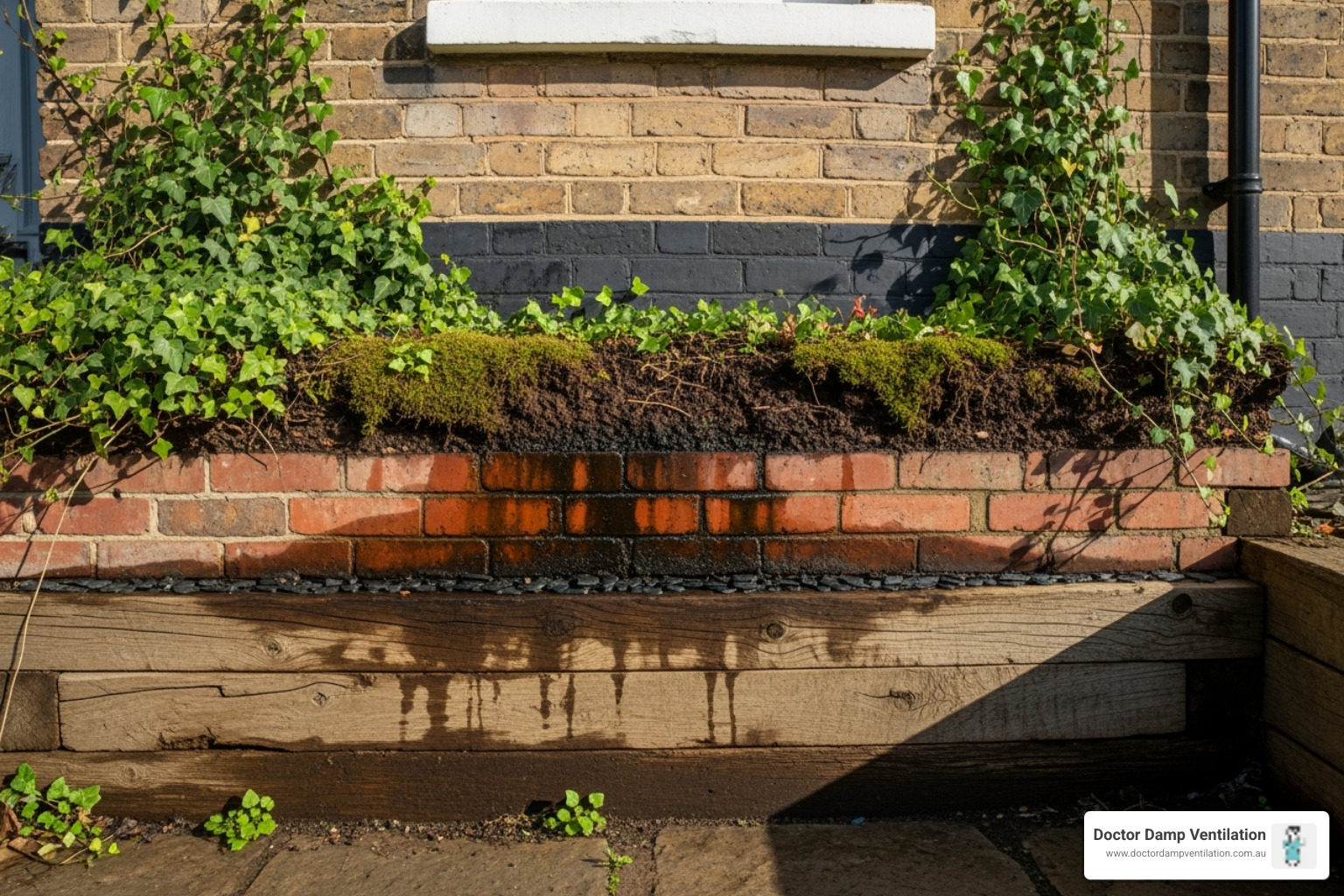
- Raised Ground Levels: New garden beds, patios, or soil buildup can raise the external ground level above the DPC.
- Render or Plaster: Plaster applied over the DPC creates a bridge for moisture.
- Cavity Debris: Rubble in cavity walls can form a bridge between the outer and inner walls.
High Water Table
In low-lying Sydney areas like Canterbury or Brighton-Le-Sands, the ground may be naturally saturated. This high water table provides a constant source of moisture for walls to absorb.
Porous Materials
Older homes in areas like Surry Hills often feature porous materials like sandstone walls and old bricks. These materials, along with hygroscopic salt crystals from groundwater, readily absorb and move moisture upwards.
Poor Under-Floor Airflow
Often mistaken for rising damp, poor sub-floor ventilation is a major issue in Sydney homes from Mosman to Epping. Moisture from the soil beneath the house builds up without adequate airflow, causing dampness in floor joists and lower walls. While it won’t fix a failed DPC, improving sub-floor ventilation is vital for a dry home and often resolves misdiagnosed damp problems.
Learn about Sub-Floor Ventilation.
Your Action Plan: How to Fix Rising Damp for Good
Once rising damp is confirmed, it’s time for a multi-step restoration process to address the root cause and properly restore your home.
Step 1: Essential Preparation Before Treatment
Proper preparation is key to a successful treatment. This involves:
- Removing Damaged Materials: All damp-affected plaster and skirting boards must be removed. We typically remove plaster to at least 45cm above the highest point of visible damp to eliminate salt contamination.
- Clearing DPC Bridges: Before installing a new DPC, we must remove any bridges. This includes lowering raised external ground levels, removing plaster that covers the DPC, and clearing debris from wall cavities.
- Ensuring Clear Access: The treatment area must be cleared of furniture and obstacles.
Step 2: Choosing the Right Method for how to fix rising damp
The best method depends on your home’s construction, the damp’s severity, and your budget.
| Method | How it Works | Pros | Cons |
|---|---|---|---|
| Chemical DPC Injection | Holes are drilled into the mortar course, and a water-repellent chemical (cream or fluid) is injected. This diffuses into the masonry, forming a barrier that prevents moisture from rising. | Highly effective and economical if installed correctly. Less disruptive than physical methods. Proven to last 10+ years. Can be DIY for smaller issues (though professional installation is recommended for guaranteed results). | May not be suitable for very thick stone walls or rubble-filled walls where chemicals can simply pour away. Requires precise drilling and injection. |
| Physical DPC Installation | Involves cutting a slot into the mortar course and inserting a physical waterproof barrier (e.g., plastic, slate, or felt). | Permanent physical barrier. | Highly disruptive, expensive, and labour-intensive. Can affect structural integrity if not done correctly. Not commonly used for remedial work in occupied properties. |
| Electro-Osmotic Systems | A low-voltage electrical current is passed through the wall, which repels the rising water molecules back down into the ground. | Non-invasive, no chemicals involved. Can be effective in challenging situations, such as very thick or irregular walls. | Can be more expensive to install. Requires continuous power supply. Effectiveness can vary depending on ground conditions and wall materials. |
| Improving Ventilation | While not a DPC method, addressing sub-floor ventilation can resolve issues often mistaken for rising damp. Installing air bricks or mechanical fans improves airflow, drying out the sub-floor area. | Addresses a common misdiagnosis of rising damp. Improves overall indoor air quality. Cost-effective for certain damp problems. Essential for a healthy home environment. | Does not solve true rising damp caused by a failed DPC. Requires proper assessment to determine if it’s the correct solution. |
For most remedial cases, chemical DPC injection is our preferred method. We drill holes into the mortar course and inject a special water-repellent chemical that diffuses into the masonry, creating a powerful new DPC.
In areas like Penrith or Campbelltown, improving sub-floor ventilation is also crucial. While it won’t fix a failed DPC, installing air bricks or mechanical fans can resolve many issues mistaken for rising damp, especially in older homes in Liverpool and Bankstown. It’s a vital step for a healthy sub-floor.
Step 3: Post-Treatment Repairs and Finishes
After the new DPC is installed, the wall needs to dry and be properly repaired.
- Drying Out Period: Walls need time to dry. This can take from several weeks to months, depending on the wall’s thickness and material. Good ventilation is essential during this phase.
- Salt-Resistant Plaster: This is a critical step. Standard plaster will reabsorb hygroscopic salts left by the damp. We use specially formulated plasters to prevent these salts from migrating to the new surface.
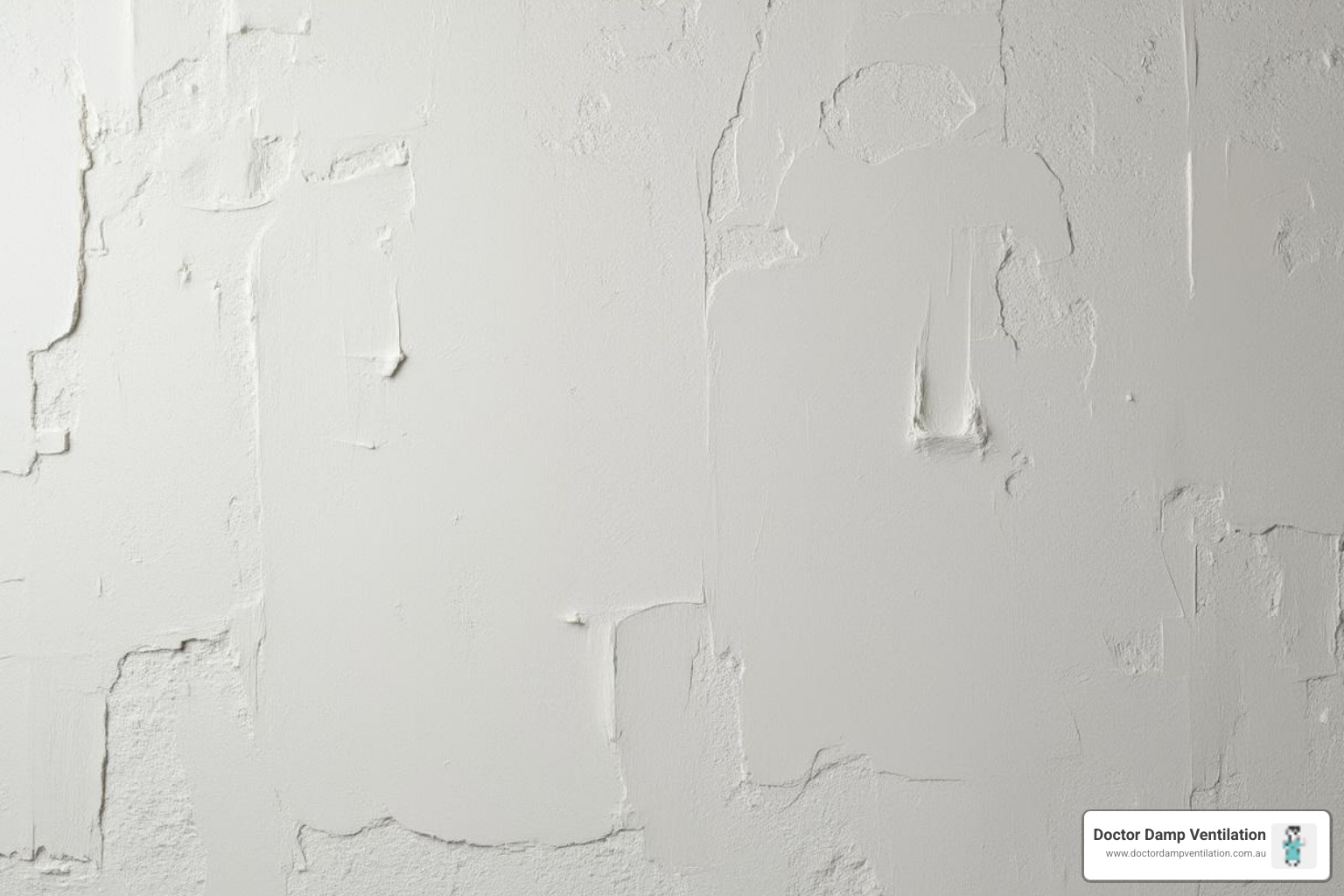
- Breathable Paints: Once the new plaster is dry, we recommend microporous paints that allow any residual moisture to evaporate naturally.
- Preventing Secondary Issues: Lingering issues like mould must be managed. Our expertise in mould removal ensures your home is not just dry, but also healthy.
For a truly comprehensive solution, explore our Expert Mould Removal services.
Prevention and When to Call the Professionals
Knowing how to fix rising damp includes prevention and knowing when to call an expert. Keeping your home dry after treatment is key to long-term peace of mind.
Long-Term Prevention Strategies
Maintaining a dry home requires consistent action:
- Regular Maintenance: Periodically check lower walls for early signs of damp or salt deposits.
- Clear Gutters and Drains: Ensure gutters, downpipes, and external drains are clear and in good repair to prevent water from pooling near foundations. This is crucial in rainy areas like Chatswood and Mosman.
- Monitor Ground Levels: Keep garden beds, paths, and soil levels below your Damp Proof Course (DPC) to avoid bridging it.
- Ensure Good Ventilation: Proper airflow manages overall humidity, reducing condensation. We’ve helped homes from Burwood to Blacktown improve ventilation to protect their structure and health.
For more advice, see our Tips for a Healthy Home.
Why a Professional Survey is a Smart Investment
DIY rising damp treatment is risky. It requires specialised knowledge and equipment; a botched job can cause more damage and cost. Accurate diagnosis is the most critical step, as rising damp is often misdiagnosed. A paid, expert survey saves money in the long run by ensuring you treat the correct problem.
When choosing a specialist, look for qualifications like Certificated Surveyor in Remedial Treatments (CSRT). For Sydney homeowners, ensure the company is licensed, insured, and experienced with local properties, from heritage homes in Maroubra to terraces in Surry Hills. A reputable company will offer long-term guarantees on their work.
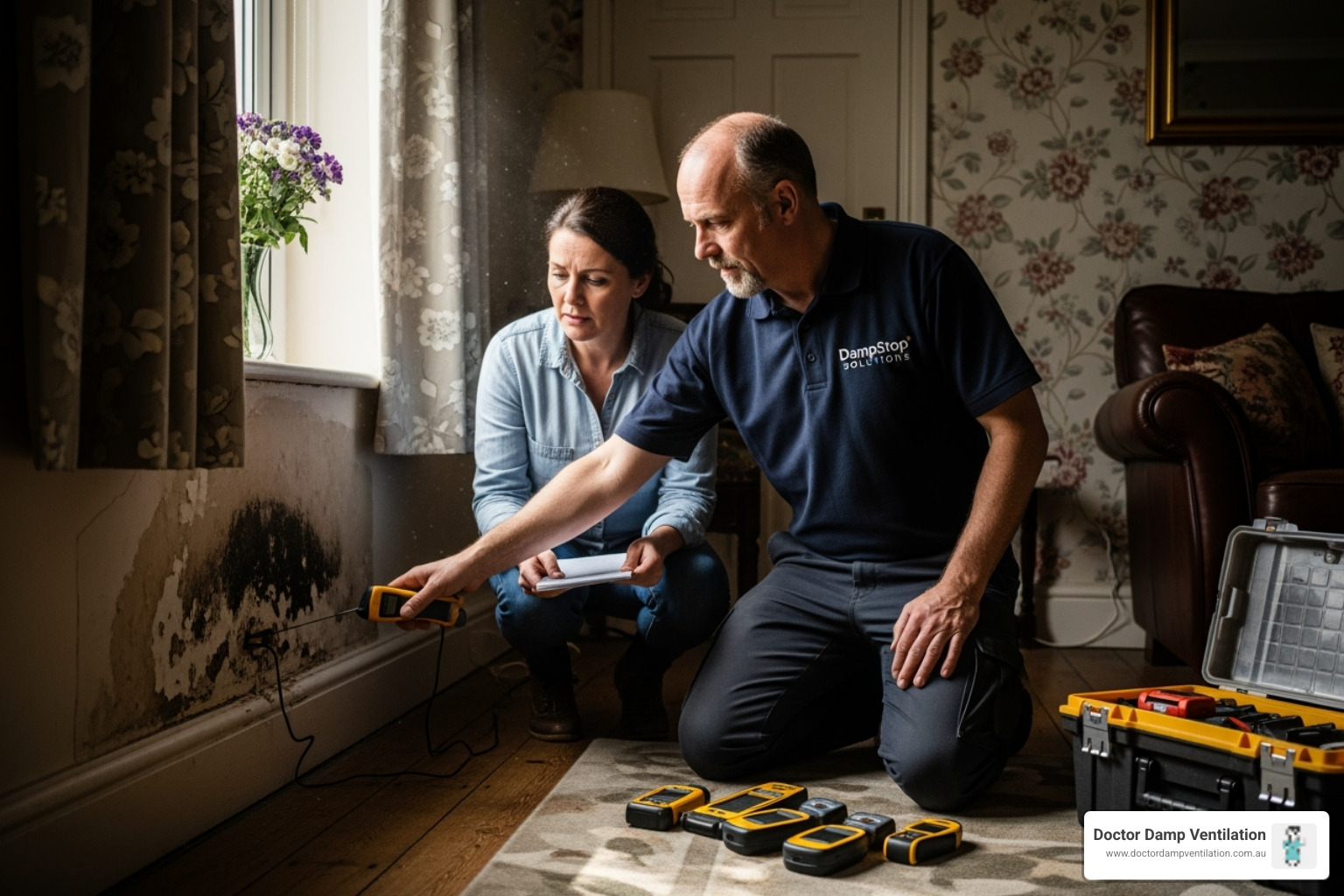
To understand what makes a professional truly qualified, you can explore resources like the Property Care Association.
What makes a qualified damp specialist?
Frequently Asked Questions about Fixing Rising Damp
Here are answers to common questions about how to fix rising damp.
Can I just paint over rising damp?
No. Painting over rising damp is a temporary fix that makes the problem worse. Moisture and salts will quickly cause the new paint to peel and bubble. More importantly, trapping moisture behind paint can accelerate timber decay and mould growth. You must treat the root cause, not just the symptoms.
How long does it take for a wall to dry out after treatment?
Patience is key. After a new damp proof course (DPC) is installed, a wall needs time to dry out completely. The time varies from several weeks to many months, depending on the wall’s thickness, material (e.g., brick, sandstone), and ventilation. While replastering can sometimes begin after an initial drying period, full drying takes longer.
Is rising damp common in older Sydney houses?
Yes, it’s very common. Older homes in suburbs like Newtown, Redfern, Strathfield, and Hurstville are particularly susceptible. Many were built before modern DPCs were standard, or their original DPCs have failed. The porous nature of old bricks and sandstone, combined with Sydney’s climate, makes these properties prime candidates for rising damp. We frequently treat homes across Sydney, from Woollahra to Manly and the Northern Beaches, and know how to fix rising damp in these unique properties.
Conclusion: Reclaim Your Home from Damp
While rising damp can seem daunting, it is a solvable problem. The path to how to fix rising damp is clear: accurate diagnosis, addressing the root cause, correct treatment, proper repairs, and ongoing prevention.
Diagnosis is critical. We’ve seen homeowners waste thousands on incorrect treatments. An expert assessment is a wise investment that prevents costly mistakes.
Treating damp is a long-term investment in your property’s value and your family’s health. A dry home protects your home’s structure and creates a healthier living environment, a change we’ve seen in homes from the terraces of Balmain to family homes in Parramatta.
The benefits of a dry home are significant: lower heating bills, no musty smells, and improved health as mould and allergens are eliminated.
At Doctor Damp Ventilation, we have over two decades of experience helping Sydney families. From a terrace in Surry Hills to a modern home in Ryde, we provide honest, long-term solutions custom to Sydney’s unique properties.
Don’t let rising damp damage your home and cause stress. Take the first step toward a healthier, drier living space.
For expert assessment and a permanent solution to your rising damp problems in Sydney, explore our Rising Damp services.
