
Table of Contents
- What Causes a Musty Smell in Your House
- How to Find the Source of a Musty Smell
- Musty Smell in House but No Mould: What’s Going On
- Musty Smell in Carpet and Upholstery
- Subfloor Damp and Musty Smell: Why Your Foundation Matters
- How to Get Rid of a Musty Smell in the House
- Frequently Asked Questions
Last Updated: October 22, 2026
What Causes a Musty Smell in Your House
A musty smell house signals trapped moisture from mould, mildew, or stagnant air. We’ve identified the three most common culprits behind that distinctive musty odour.
Excess moisture and dampness
Excess moisture is the root cause of most musty smells. When water vapour builds up inside, it creates the perfect environment for odours to develop and linger.
This happens in several ways:
- Liquid water from leaks or flooding soaks into walls and floors
- Water vapour from cooking, showers, and laundry condenses on cold surfaces
- Dampness creeps up from the ground through foundations and subfloors
The problem worsens in winter when homes are sealed tight. Warm air meets cold exterior walls, creating condensation, and within days the musty smell develops, even faster in older homes with poor ventilation.
Mould and mildew growth
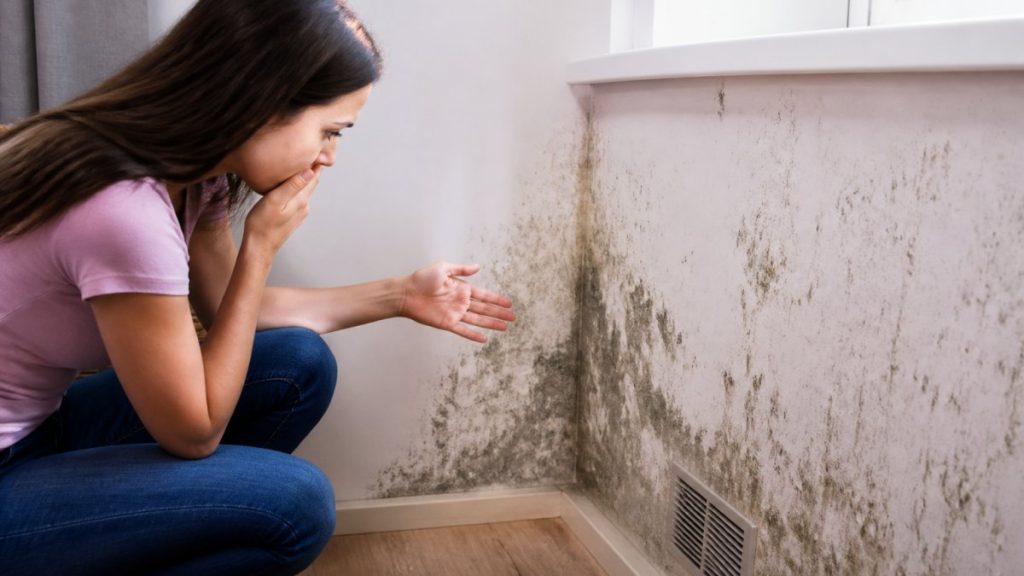
Mould and mildew thrive in moist environments, releasing microbial volatile organic compounds (MVOCs) that create that distinctive musty odour.
You might not see mould growth, but you’ll smell it. Mould grows in:
- Hidden spaces behind walls and under carpets
- Inside HVAC systems and air filters
- Crawl spaces and basements with poor airflow
The smell often appears before visible mould does. If your house smells musty but you can’t see mould, microbial growth is still happening somewhere out of sight.
Poor ventilation and stagnant air
Without proper airflow, moisture and odours get trapped inside, letting musty smells concentrate.
Modern homes are built tight for energy efficiency. But tight homes need active ventilation to move fresh air in and stale air out. Without it, indoor air quality drops quickly.
Poor ventilation is especially common in:
- Older homes with sealed fireplaces that block natural airflow
- Bathrooms and kitchens without exhaust fans
- Bedrooms with closed windows and doors
- Basements and crawl spaces with no air movement
How to Find the Source of a Musty Smell
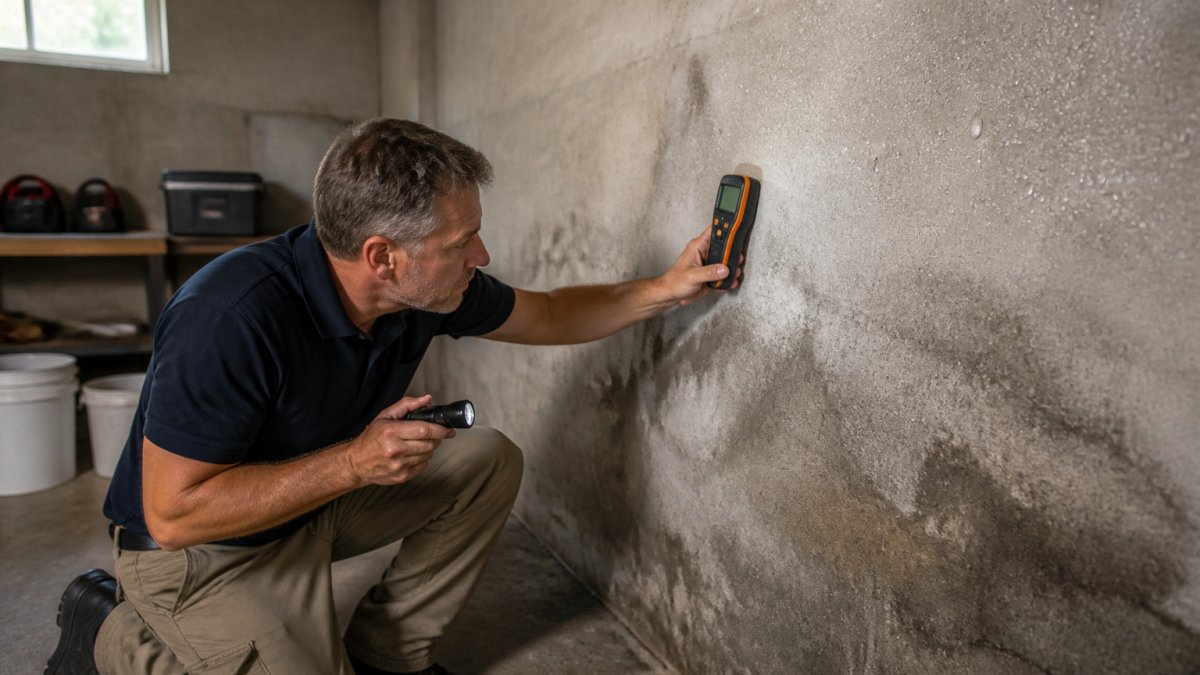
Finding where the smell originates is half the battle. The most reliable approach is a systematic sweep: track where and when the odour is strongest, then work through the likely moisture sources in order of probability.
Step 1: Map the smell before you start looking
Before you inspect anything, spend a day or two logging the odour to narrow the search.
- Where is it strongest? Walk room to room and note the spot where the smell intensifies. Pay attention to low corners, under sinks, inside wardrobes and near exterior walls.
- When is it worst? Note whether it is stronger in the morning, after rain, after showers, when the heating or cooling runs, or when the house has been closed up.
- Does it change with weather? A smell that spikes after rain points to leaks or drainage; one that spikes on humid days points to condensation or rising damp.
- Does it follow airflow? If the smell appears only when the air conditioner or ducted heating runs, the source may be in the ductwork or air handler.
A written log over 24 to 48 hours often points you to one or two rooms. Inspect those first.
Step 2: Rule out smells that are not musty
Musty odours are earthy, damp and mould-like. Before hunting for moisture, confirm the smell is actually musty, some similar smells signal a different, sometimes urgent problem.
- Sewer or drain smell: Rotten-egg or sewage odour usually points to a dry trap, a broken drain or a venting fault. Check floor wastes and unused drains; run water down them to refill traps.
- Gas smell: A sulphur-like or rotten-egg smell near a gas appliance is a safety issue. Turn appliances off, ventilate the area and contact your gas supplier or a licensed plumber immediately.
- Smoke or burning smell: A sharp, acrid odour after using an appliance or during hot weather warrants switching off and having the appliance checked.
- Chemical or solvent smell: Paint, adhesive, new furniture and cleaning products can off-gas for days or weeks. Ventilate and allow time.
If the smell is genuinely musty, move on to the moisture checks below. If not, treat it as the priority it is.
Step 3: Check for visible signs of water damage
Walk through your home and inspect areas where water problems typically show up.
Check these spots first:
- Basement walls and floors for discolouration or staining
- Corners where walls meet foundations for damp patches
- Under windows for water marks or soft plasterboard
- Around pipes for wet spots or rust
If you find water damage, that is your source. Water damage leads to mould growth within 24 to 48 hours. The musty smell is mould already developing.
Step 4: Measure indoor humidity levels
Humidity readings tell you whether excess moisture is general or localised. Use a hygrometer and take readings in several rooms at different times of day.
- Ideal indoor humidity: roughly 30 to 50 per cent
- Above 60 per cent: moisture is accumulating and needs attention
- Above 70 per cent: mould growth is likely starting
A single high reading after a shower is normal; one that stays above 60 per cent for hours means ventilation isn’t working. If a basement consistently reads above 55 per cent, subfloor damp is likely.
Step 5: Inspect hidden moisture in walls, floors and foundations
Moisture hides inside walls, under floors and in crawl spaces, creating that musty smell house unseen.
Look for these hidden moisture signs:
- Soft or spongy plasterboard when you press on it
- Peeling paint or wallpaper bubbling away from walls
- Visible mould spots on walls, ceilings or behind furniture
- A musty smell that is stronger in specific corners or near power points
Don’t ignore suspected hidden moisture, it causes structural damage and can attract termites, and the longer it sits, the more expensive the repair. A moisture meter is a worthwhile low-cost tool; press the pins into suspect timber, plasterboard and carpet underlay to compare dry and damp readings.
If the smell is strongest in one room but you cannot find any visible moisture, check the room above and the room below. Water travels down and sideways through building materials, so the source is often not in the room where you smell it.
Step 6: Check the usual hidden suspects
Once you’ve ruled out visible damage and measured humidity, check where musty smells most often hide:
- Bathrooms and laundries: check exhaust fans, floor wastes, under-vanity cabinets and the seals around showers and baths.
- Kitchens: check under the sink, behind the dishwasher and the range hood ducting.
- Roof space: look for stained ceiling battens, sagging insulation and daylight through the roof covering after rain.
- Subfloor: check for damp soil, pooled water, blocked vents and timber that is soft or stained.
Working through these steps in order usually narrows the source to one or two areas within a day. If the smell persists, bring in a professional with moisture metres and thermal imaging.
Musty Smell in House but No Mould: What’s Going On
Smelling musty odours but finding no visible mould is frustrating, but common.
Mould grows in places you can’t see. The smell reaches your nose long before the mould becomes visible. Look in these hidden spots:
- Inside wall cavities behind drywall
- Under carpet padding and beneath floorboards
- Inside HVAC ducts and air returns
- Behind baseboards and in corner joints
Mould can also be dormant: when humidity drops it stops growing but the smell lingers, as odour molecules remain in the air and materials.
Another possibility: the smell isn’t mould at all. Stagnant air, decomposing organic matter, or bacterial growth can create musty odours without visible mould present.
The fix is the same regardless: improve ventilation, reduce humidity, and find the moisture source.
Musty Smell in Carpet and Upholstery
Carpets and upholstery trap moisture and odours.
Carpet gets damp from:
- Spills and accidents that soak into padding underneath
- Humidity condensing into carpet fibres overnight
- Wet fabrics placed on carpet while they dry
- Subfloor moisture wicking up through the carpet
Upholstered furniture absorbs moisture the same way.
The problem: carpet padding and upholstery foam dry slowly. Moisture sits there for days, allowing mould and bacteria to grow.
To fix it, you need to dry the material quickly. Open windows, run fans, and use a dehumidifier.
For persistent musty smells in carpet, professional cleaning or replacement is often necessary.
Subfloor Damp and Musty Smell: Why Your Foundation Matters
Your subfloor is where most musty smells originate. Moisture rises from soil through concrete or timber foundations.
Subfloor damp happens because:
- Soil around your home contains moisture that wicks upward
- Concrete foundations crack, allowing water to seep through
- Timber stumps or bearings absorb moisture from damp soil
- Poor or absent ventilation traps moisture underneath the house
When subfloor moisture builds up, it travels upward into walls, carpets, and interior spaces.
The musty smell from subfloor damp is particularly strong in older homes.
The only permanent fix is subfloor ventilation. Proper ventilation removes moisture before it enters your home. Doctor Damp Ventilation specialises in installing advanced subfloor ventilation systems.
How to Get Rid of a Musty Smell in the House
Once you’ve found the source, getting rid of the musty smell involves removing moisture and improving airflow.
Quick wins: ventilation and dehumidification
Start with these immediate steps:
Ventilation:
- Open windows daily for at least 30 minutes, even in winter
- Turn on exhaust fans in bathrooms and kitchens while and after using them
- Leave exhaust fans running for 20 minutes after showers
- Open internal doors to improve air circulation between rooms
Dehumidification:
- Run a dehumidifier in damp rooms (basements, bathrooms, bedrooms)
- Empty the water collection tank or set up continuous drainage
- Place moisture-absorbing materials like activated charcoal or silica gel in problem areas
- Wipe down condensation on windows and walls each morning
These steps work for mild musty smells caused by poor ventilation or temporary moisture. You should notice improvement within 3 to 7 days.
But if the smell persists after a week of ventilation and dehumidification, moisture is still building up somewhere. That means you need a deeper solution.
When to call a professional
Call a professional if:
- The musty smell returns after you’ve improved ventilation
- Humidity stays above 60 percent despite dehumidifiers running
- You’ve found water damage or hidden moisture
- The smell is concentrated in one area (subfloor, basement, walls)
Professional assessment identifies moisture sources you can’t find yourself.
Doctor Damp Ventilation provides comprehensive solutions including subfloor ventilation installation, moisture control technology, and non-toxic mould removal.
A musty smell in your house is your home telling you moisture is building up. Ignoring it leads to mould growth, structural damage, and health problems.
If ventilation and dehumidification don’t solve the problem within a week, professional help is worth the investment.
Frequently Asked Questions
Can a house smell musty without visible mould?
Yes. Excess moisture, hidden water damage, and poor airflow create musty odours even when mould isn’t visible. Microbial volatile organic compounds (MVOCs) from bacteria and fungi in damp areas produce the smell before mould becomes apparent. Check for condensation, water stains, and soft spots in walls or under carpets. If humidity stays above 60% relative humidity, odours will persist without visible growth.
How do I distinguish a musty smell from other household odours?
Musty odours are earthy, stale, and slightly sweet, like old books or damp basements. They differ from mouldy smells (which are sharper and more pungent) or chemical odours from cleaning products. Musty smells intensify in poorly ventilated spaces and worsen after rain or in humid weather. If the smell is strongest near carpets, under sinks, or in crawl spaces, moisture is the likely culprit.
What humidity level should I aim for to prevent musty smells?
Keep indoor humidity between 30% and 50% relative humidity. Above 60%, mould and mildew thrive, and musty odours develop. Use a hygrometer to monitor levels. In bathrooms and kitchens, use exhaust fans during and after showers or cooking. A dehumidifier can help in persistently damp areas, but addressing the moisture source, leaks, poor ventilation, or subfloor dampness, is essential for lasting relief.
When should I seek professional help for a musty smell?
Contact a specialist if the smell persists after improving ventilation and reducing humidity, if you suspect hidden water damage or subfloor damp, if mould is visible or growing, or if family members develop respiratory symptoms or allergies. Professionals can identify moisture sources you can’t see, test for mould spores, and recommend safe remediation or ventilation solutions tailored to your home’s age and construction.
