
Last Updated: November 4, 2026
Quick Summary
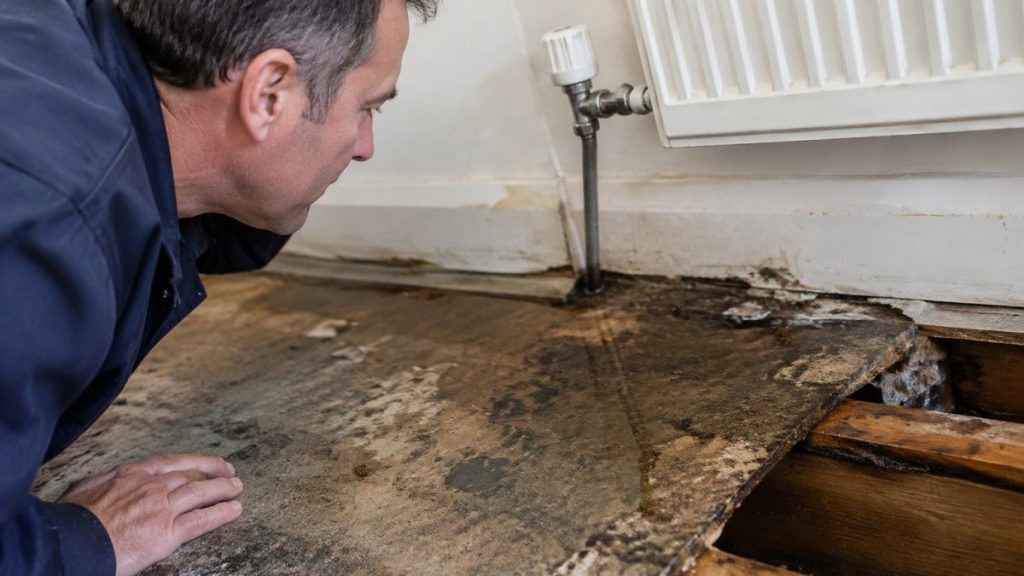
Why is my subfloor so damp? Usually because moisture is trapped beneath the floor, coming from ground vapour, plumbing or drainage leaks, or poor ventilation. Check the source first, since a leak or wet soil needs fixing before ventilation can keep the space dry.
- Run a plastic sheet test: moisture under the plastic means it is rising through the floor.
- Check the water meter with every tap off; a moving dial suggests a hidden leak.
- Lay a heavy polyethylene ground cover over bare soil to block rising vapour.
- Ventilation cannot fix an active leak or overflowing downpipe, so source control comes first.
- Do not seal vents or fill floor gaps before you know the cause.
Table of Contents
- How to Tell a Damp Subfloor From Other Moisture Problems
- Signs Your Subfloor Is Damp and the Damage It Causes
- Rising Damp and Ground Moisture Beneath the House
- Leaks, Poor Drainage and Plumbing Water Entry
- Poor Ventilation and Humid Air Trapped Under the Floor
- Subfloor Ventilation Fan vs Passive Vents: Which Fits Your Home
- What Subfloor Ventilation Installation Typically Involves in Cost
- Booking a Subfloor Moisture Inspection for Your Home
- Frequently Asked Questions
How to Tell a Damp Subfloor From Other Moisture Problems
Wondering why is my subfloor so damp? Start by ruling out the usual suspects. A damp subfloor is moisture trapped beneath the floorboards, usually in the crawl space or under the house. Doctor Damp Ventilation helps Australian homeowners work out where that moisture comes from.
Damp under a floor can look a lot like other problems. Spills, condensation on windows, and damp walls all cause similar symptoms. The difference is where the moisture sits and how it behaves.
Check these signs first:
- Dampness is strongest under the floor, not on the surface
- The boards feel cold or spongy underfoot
- A musty smell is worse in the morning or after rain
- Moisture returns soon after you dry the area
A quick test helps. Tape a sheet of plastic to the floor and leave it for 48 hours. If moisture forms on the underside of the plastic, the problem is coming up through the floor. If it forms on top, the air inside the room is the likely cause.
A Step-by-Step Diagnostic Process
Most homeowners jump straight to ventilation, but the source matters more than the fix. Work through these four checks in order before you spend money on anything.
Step 1: Rule out plumbing and drainage leaks. Look for water staining, dripping pipes, or damp patches that appear after showers and washing. Check the meter: if the dial moves when every tap is off, a hidden leak is likely. A plumber can pressure-test the lines to confirm.
Step 2: Check for ground moisture and rising damp. Bare soil under the house releases vapour continuously. Look for a visible damp line on the lower brickwork or bearers, salt staining, or soil that stays dark and wet for days after rain.
Step 3: Test for condensation. Condensation forms when warm, moist air meets a cold surface. It is most obvious on cold mornings, on the underside of floorboards in winter, and on metal fixings.
Step 4: Confirm with a moisture reading. A pin-type moisture meter gives a quick comparative reading on timber; a pinless meter is gentler on finished boards. Take readings in several spots, note them, and repeat after rain to see whether the source is ground-driven or weather-driven.
Watch out: Do not seal vents or fill gaps in the floor before you know the cause. Blocking airflow can make the damp worse, and it can hide a leak that is still running.
Signs Your Subfloor Is Damp and the Damage It Causes
A damp subfloor rarely stays quiet. The first signs are small, and the damage builds slowly.
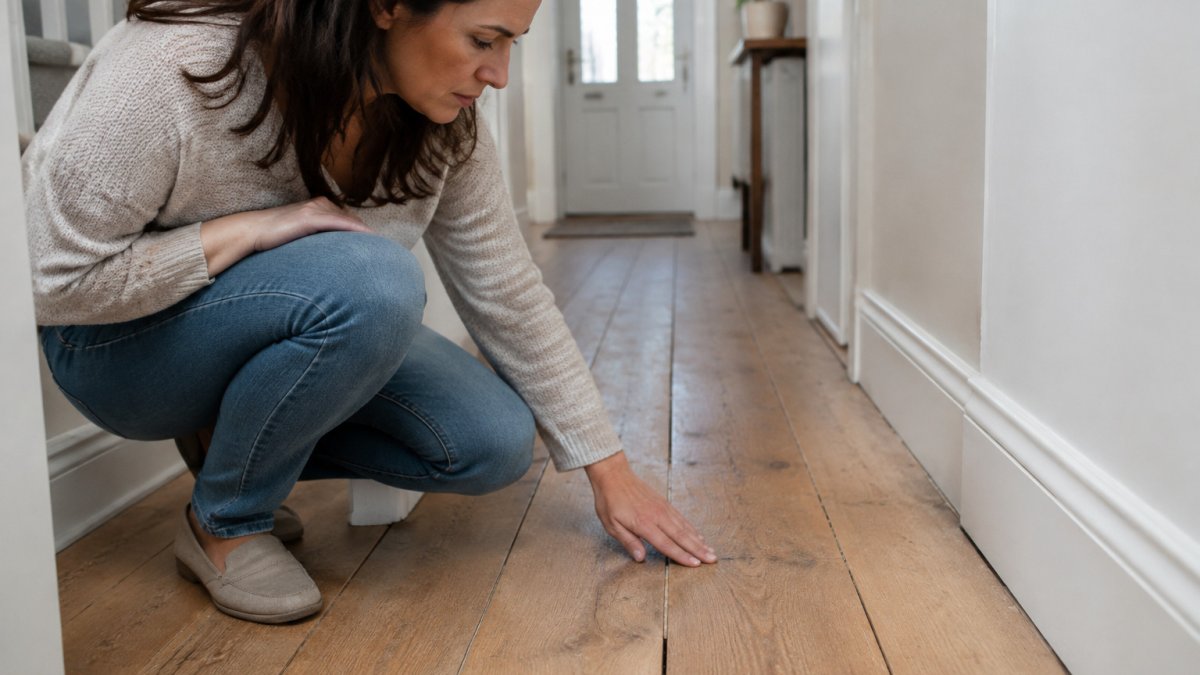
Look for these warning signs:
- Floorboards that cup, gap, or squeak
- Soft or springy spots when you walk
- Musty odours that stick around
- Mould on the underside of the floor or on skirting boards
- Paint or wallpaper lifting near the floor line
Left alone, moisture can rot the timber joists and bearers. Damp also attracts pests, including termites, which favour wet, decaying wood. Respiratory irritation and allergies can get worse for people living above a damp space.
Watch for changes after heavy rain or during humid months. Those are the times dampness usually shows up.
The table below summarises the warning signs and the damage each one can point to.
| Warning sign | What it can mean | Risk if ignored |
|---|---|---|
| Floorboards that cup, gap, or squeak | Moisture is swelling and moving the timber | Loose or warped floor |
| Soft or springy spots underfoot | Joists or bearers are losing strength | Structural weakness |
| Musty odours that persist | Trapped damp air beneath the floor | Ongoing humidity |
| Mould on floor underside or skirting | Humid, poorly ventilated space | Respiratory irritation |
| Paint or wallpaper lifting near floor | Moisture rising into walls | Spreading damage |
| Damp worse after rain or humid months | Weather-driven moisture entry | Recurring problem |
Rising Damp and Ground Moisture Beneath the House
Ground moisture is one of the most common reasons a subfloor stays wet. Moist soil under a house releases water vapour, especially in warm, humid weather. That vapour can rise into the space under the floor.
Some key points about ground moisture:
- Bare soil in a crawl space holds water for long periods
- Vapour rises when the air under the house is cooler than the soil
- Homes built on low or flat sites are more exposed
- Older homes often lack a ground moisture barrier
A common fix is a ground cover, usually a heavy polyethylene sheet laid over the soil. It blocks most of the vapour from reaching the floor. Pair it with good airflow, because a cover alone does not remove the moisture already in the air. Persistent dampness can sometimes mask the distinct, pungent odor of pet urine damage that requires a more targeted remediation approach than simple ventilation.
Leaks, Poor Drainage and Plumbing Water Entry
Sometimes the water comes from outside or from your pipes. Poor drainage around the house can send surface water under the floor. Gutters that overflow and downpipes that dump water near the foundation are common culprits.
Check for these problems:
- Gutters that overflow or leak at the joins
- Downpipes that discharge close to the foundation
- Ground that slopes towards the house
- Leaking taps, toilets, or pipes under the floor
A plumber can pressure-test pipes to find hidden leaks. Fix drainage first, then deal with any remaining moisture. Water that enters from outside can keep returning until the source is stopped.
Poor Ventilation and Humid Air Trapped Under the Floor
Still air holds moisture. When the space under your floor has no proper airflow, humidity builds up and condenses on cool surfaces. This is one of the most common reasons subfloors stay damp even when no leaks exist.
Common ventilation problems include:
- Vents blocked by soil, leaves, or furniture
- Too few vents for the size of the space
- Vents placed on only one side of the house
- Sealed or closed vents during winter
Good ventilation moves moist air out and brings drier air in. This is where a properly designed system helps. For homes with stale air trapped below, our Australian guidance on indoor humidity and mould explains why controlling humidity matters for health.
When Ventilation Alone Will Not Fix It
Ventilation manages moisture that is already in the air. It cannot stop water that is still entering. If any of the following are true, fix the source first or the fan will run continuously without solving the problem:
- A plumbing leak or overflowing downpipe is adding water faster than airflow can remove it
- Surface water drains towards the house and pools under the floor
- The soil is saturated and there is no ground moisture barrier
- Rising damp is moving up through the brickwork or bearers
If a fan is installed while a drainage or ground-moisture problem is still active, the damp can return after heavy rain. Source control comes first; ventilation keeps the space dry afterwards.
Measuring Whether Ventilation Is Working
You do not need to guess. A cheap hygrometer placed under the floor will show relative humidity over time. Take a reading before any work, then again a few weeks after, at the same time of day. If humidity stays high despite good airflow, the moisture source is still active.
For broader air-quality solutions across the whole home, see our air purification for air conditioners range.
Subfloor Ventilation Fan vs Passive Vents: Which Fits Your Home
Choosing between a fan and passive vents depends on your site, your climate, and how much moisture you are dealing with. Compare the two options in depth to see which works best for your situation. Both can work well, but they suit different situations.
Passive vents rely on natural airflow. They are cheaper to install and have no power use. They work best when wind and temperature differences move air through the space. Their weakness is that they do little on still, humid days.
A subfloor ventilation fan moves air on a schedule or when humidity rises. It works well in damp sites, low-lying homes, and areas with little natural breeze. It needs power and periodic maintenance.
Here is a simple way to decide:
- Choose passive vents if the subfloor is only slightly damp and the site is breezy
- Choose a fan if the space stays humid for long stretches or the site is still and enclosed
- Consider both for severe cases, using vents for baseline airflow and a fan for peak humidity
Many homeowners find that the right answer depends on a site inspection. Doctor Damp Ventilation can assess the space and recommend which approach fits. You can also compare the options in more detail in our guide on subfloor ventilation fans and passive vents explained.
For a closer look at whether your home needs ventilation at all, read our article on does your older home need subfloor ventilation.
Homeowners often ask about older houses specifically. Older Australian homes frequently have low clearance under the floor and few vents, so ventilation needs are easy to overlook. Our subfloor ventilation service in Sydney covers both fan and passive options.
What Subfloor Ventilation Installation Typically Involves in Cost
Pricing depends on the size of the space, the access, the chosen system, and any repairs needed first. Contact Doctor Damp Ventilation for current pricing or a quote.
Several factors affect the final quote:
- Floor area and crawl space height
- Number of vents or fan units needed
- Condition of the existing timber and ground cover
- Whether electrical work is needed for a fan
- Any drainage or plumbing repairs
For current pricing, contact Doctor Damp Ventilation directly.
Booking a Subfloor Moisture Inspection for Your Home
If your subfloor stays damp, the sensible next step is a proper inspection. Doctor Damp Ventilation is a fully licensed specialist in subfloor ventilation and moisture control.
You can contact us to arrange an inspection, or call 1300 557 687.
Frequently Asked Questions
What are the signs of a damp subfloor?
Common signs include a musty smell that stays even after cleaning, cupped or lifting floorboards, soft or spongy patches underfoot, and visible mould or staining on the underside of the floor. Peeling paint on skirting boards and condensation on windows in the same room can also point to moisture beneath the floor. Because several causes produce similar symptoms, a visual check under the house with a moisture meter is the most reliable way to confirm the problem and identify its source before deciding on a fix.
Can a damp subfloor cause structural damage?
Yes. Prolonged moisture in timber subfloor framing can lead to rot, fungal decay and weakened joists and bearers over time. Timber that stays wet encourages decay organisms, and damp conditions also attract termites, which can compound the damage. Early detection matters because the cost of repairing rotted structural timber is far higher than the cost of addressing the moisture source sooner. If you notice soft timber when probing under the house, arrange an inspection promptly.
Is subfloor ventilation necessary for all homes?
Not every home needs mechanical ventilation, but most homes with a raised timber floor benefit from adequate airflow beneath the floor. Whether a fan, passive vents or both are suitable depends on the house’s construction, the local climate, the ground conditions and whether moisture is entering from the ground or from humid air. A proper assessment identifies the cause first, so the ventilation approach is matched to what is actually happening under your home rather than applied as a standard solution.
How much does subfloor ventilation installation cost?
Pricing depends on the size of the subfloor, the number of vents or fans required, access conditions, and whether any repairs or drainage work are needed first. Doctor Damp Ventilation does not publish fixed prices in this article, so the most accurate way to get a figure is to request a site assessment and written quote. Ask for the scope of work to be itemised so you can compare what is included, including any moisture control or insulation components.

