
Last Updated: October 26, 2026
Quick Summary
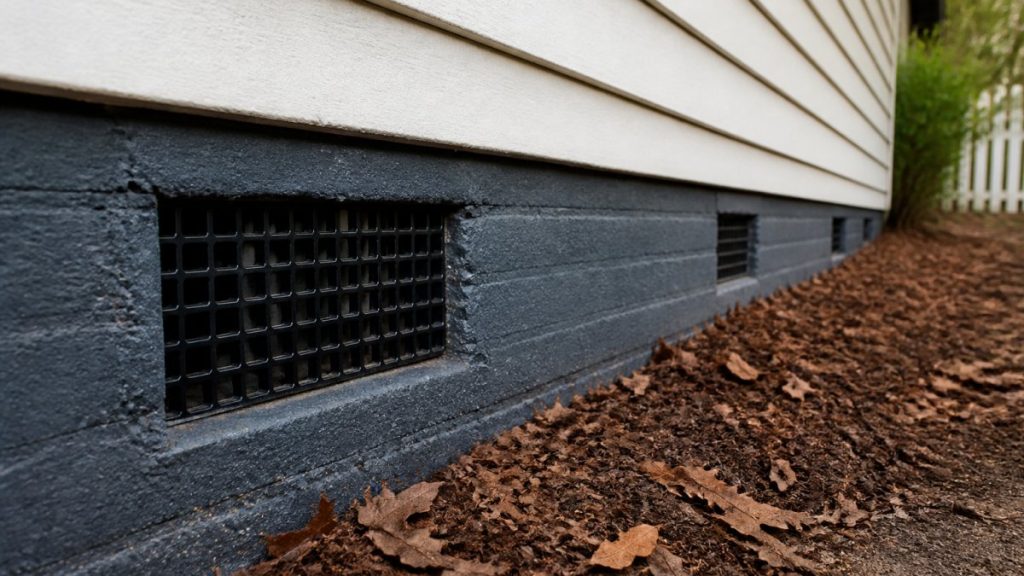
Subfloor ventilation older homes represents essential infrastructure most homeowners overlook until problems emerge, as moisture trapped beneath suspended timber floors can damage structural integrity and compromise indoor air quality. Many older properties were built with minimal or no ventilation beneath the floor, a flaw that compounds over decades.
- Visible mould, damp timber, musty odours and soft floorboards are common signs of poor subfloor ventilation.
- Prolonged dampness can damage timber and affect structural elements including floors, joists and bearer beams.
- Clear existing vents, regrade soil away from foundations and install ground vapour barriers as initial self-help steps.
- Cutting new vents, installing mechanical systems and any structural work require licensed professionals or engineers.
- Stop work and get a structural assessment if you find soft timber, sagging floors or cracked plaster.
Table of Contents
- Why subfloor ventilation matters in older homes
- Signs of poor subfloor ventilation
- How moisture damages older home structures
- Subfloor ventilation fan vs passive vents: which works for your home
- How to improve underfloor ventilation in existing homes
- Subfloor moisture control strategies
- Getting a professional assessment for your home
- Frequently Asked Questions
Why subfloor ventilation matters in older homes
Subfloor ventilation older homes represents essential infrastructure most homeowners overlook until problems emerge. The space beneath your home is where moisture accumulates silently, feeding mould, rotting timber and attracting termites. Many older properties were built with minimal or no ventilation beneath the floor, a flaw that compounds over decades.
Moisture trapped under suspended timber floors can damage structural integrity and compromise indoor air quality.
When air can’t circulate beneath your home, moisture may accumulate beneath the floor.
Fixing this problem is straightforward once you understand what’s happening beneath your floor. This guide covers the signs, the solutions, and when to call a professional.
Signs of poor subfloor ventilation
Signs of poor subfloor ventilation include:
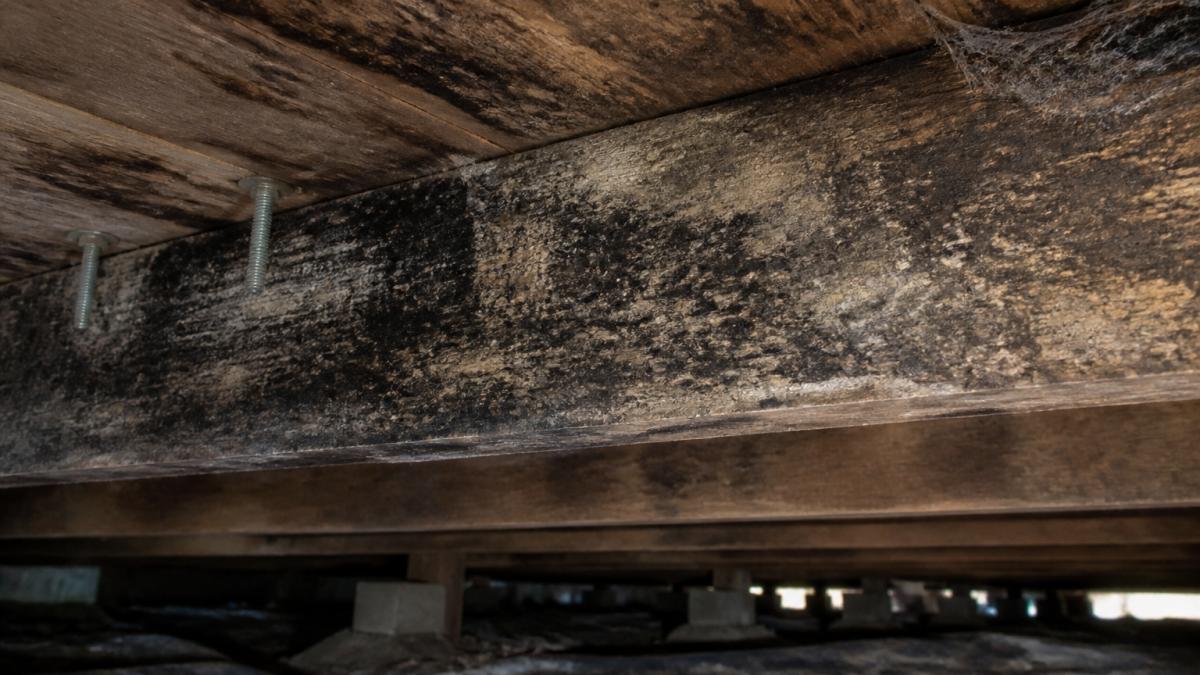
Visible mould and damp timber
Mould on joists, stumps or bearer beams, or timber that feels soft or crumbles when pressed, may indicate a moisture or structural problem.
Musty odours inside the home
A persistent musty smell may have several causes, including moisture beneath the floor.
Visible condensation or water pooling
In cooler months, look for water beading on metal stumps or concrete, or pooling water on the ground.
Soft or spongy floorboards
Bouncy or soft floorboards may indicate a structural concern.
Pest activity
Increased pest activity may warrant further investigation.
Health symptoms in residents
Subfloor moisture and indoor air quality are concerns for homeowners.
Poor subfloor ventilation typically shows itself through several observable warning signs.
| Warning Sign | What It Indicates |
|---|---|
| Visible mould and damp timber | Moisture or structural problem |
| Musty odours inside the home | Possible moisture beneath the floor |
| Visible condensation or water pooling | Water beading on metal or pooling on ground |
| Soft or spongy floorboards | Potential structural concern |
| Pest activity | May warrant further investigation |
| Sagging floors, cracked plaster, doors not closing | Possible structural integrity loss |
How moisture damages older home structures
Moisture can damage timber in a home’s structure.
Timber decay progression
Prolonged dampness can damage timber and may affect floors and other structural elements.
Rising damp and ground moisture
Older homes on concrete stumps or directly on earth may warrant assessment for moisture issues.
Condensation cycles
Temperature differences between indoor air and subfloor surfaces can contribute to condensation.
Structural integrity loss
Sagging floors, cracked plaster or doors that no longer close may warrant a structural assessment.
Subfloor ventilation fan vs passive vents: which works for your home
Choosing between active and passive ventilation depends on the home’s circumstances. The right choice depends on your subfloor volume, your moisture load, and how much control you need.
How passive ventilation actually works
How mechanical ventilation works
The hybrid approach most older homes need
Regulatory and standards context
A decision framework
How to improve underfloor ventilation in existing homes
This section covers troubleshooting subfloor ventilation in older homes.
Start with diagnosis, not installation
If you find soft, crumbly or spongy timber, sagging floors, or cracked plaster above, stop and get a structural assessment. Ventilation improves conditions but does not restore lost structural capacity.
What you can reasonably do yourself
- Clear vents, remove soil and vegetation from around them, and confirm air actually passes through.
- Regrade soil away from the foundation and clear gutters and downpipes.
- Install a ground vapour barrier over bare soil where clearance allows, lapping sheets and sealing edges.
- Monitor subfloor humidity with a hygrometer over several weeks to establish a baseline.
These steps can give you information to share with a professional if you need one.
What needs a licensed trade or professional
- Cutting new vents into external walls, especially in heritage or strata properties where approval is required.
- Installing or resizing a mechanical ventilation system, which needs correct sizing to the subfloor volume.
- Any work involving structural stumps, bearers or joists.
- Electrical work for fans, sensors and timers, which must be done by a licensed electrician.
When a structural engineer is required
- Timber that is soft, crumbly or visibly decayed
- Floors that bounce, sag or slope noticeably
- Cracks in plaster or brickwork above the subfloor
- Doors and windows that have stopped closing properly
- Any suspicion that stumps have lost bearing capacity
A staged improvement plan
Troubleshooting an existing system
Doctor Damp Ventilation designs and installs subfloor ventilation systems sized to the subfloor volume and moisture load of older homes, and can advise on when a structural assessment should come first.
Subfloor moisture control strategies
Ventilation is one approach to subfloor moisture control.
Ground vapour barriers
Insulation integration
Gutter and downpipe management
Perimeter sealing
Regular inspection
Check your subfloor for mould, soft timber or water accumulation.
Getting a professional assessment for your home
If signs of poor subfloor ventilation persist, consider seeking a professional assessment. Moisture problems can have different causes.
Contact Doctor Damp Ventilation for a professional assessment. Doctor Damp Ventilation designs and installs sub-floor ventilation systems.
Learn more about rising damp and how it differs from condensation and poor ventilation. Explore mould removal options if visible mould is already present in your subfloor space.
Frequently Asked Questions
How do I know if an older home needs better subfloor ventilation?
Signs such as musty odours near floor level, visible mould on timber or masonry in the subfloor space, soft or spongy floorboards, or condensation on underside surfaces may warrant further investigation. Rising damp on external walls and peeling paint may also warrant investigation.
What’s the difference between a subfloor ventilation fan and passive vents?
Passive vents and subfloor ventilation fans are different approaches to subfloor ventilation. The suitable approach depends on the home and its circumstances.
Can poor subfloor ventilation cause mould inside a home?
Subfloor moisture and mould are concerns for homeowners. If you have concerns about mould in your home, consider seeking a professional assessment.
How long does it take to see results after installing subfloor ventilation?
The time it takes to see results after installing subfloor ventilation can vary.
The difference between a home with controlled subfloor moisture and one struggling with dampness is ventilation. Older homes weren’t designed for modern moisture loads. Adding proper subfloor ventilation protects your investment, improves air quality for your family, and prevents structural damage that becomes exponentially more expensive to repair later. Contact us today to assess your home’s ventilation needs and implement solutions that work.

