
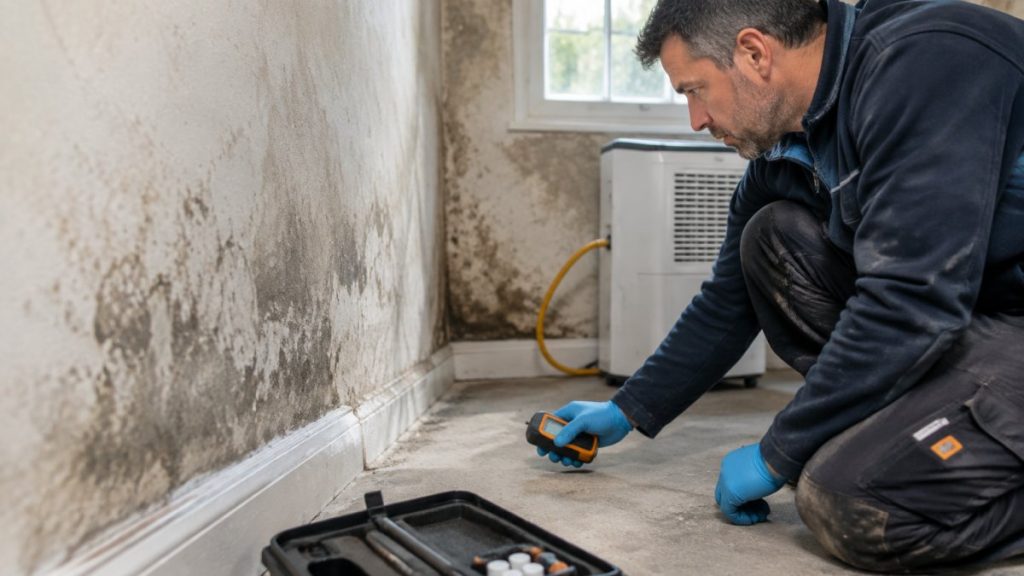
Last Updated: November 6, 2026
Quick Summary
Effective damp proofing for older properties means matching the treatment to the moisture source: fix external defects and plumbing first, then use breathable options like lime plaster and lime mortar rather than cement or tanking on solid walls. Only confirmed rising damp justifies a chemical injection DPC, and only on walls suited to it.
- Old buildings were designed to get wet and dry out, so breathable lime mortar and lime plaster suit them better than cement.
- Never treat damp before finding the moisture source; a single meter reading is not a diagnosis.
- Fix penetrating damp from outside first: clear gutters, repair flashings, cracked render and failed pointing.
- After treatment, walls can take weeks or months to dry, so record moisture readings every few weeks.
- Check with your local council before altering a listed or heritage property, as some work needs consent.
Table of Contents
- How Damp Behaves in Older Properties
- Diagnosing the Moisture Source Before You Treat Anything
- Rising Damp Treatment: What Works and What to Avoid
- Penetrating Damp in Old Houses: Fix the Outside First
- Breathable Plaster for Old Houses and Traditional Lime Repairs
- Subfloor Ventilation: Drying Out the Space Beneath
- Comparing Damp Proofing Options by Cause, Suitability and Trade-offs
- Consent, Regulations and When to Call a Damp Specialist
- Frequently Asked Questions
How Damp Behaves in Older Properties
Damp proofing options for older properties start with one truth: old buildings handle moisture differently from new ones.
Older properties rarely have a modern damp-proof course. Many were built with solid brick or stone walls, no cavity, and lime-based finishes. Moisture moves through these walls constantly.
Block that exit and damp finds another way out, usually into your living room.
Why Period Walls Need to Breathe
Breathable walls are walls that let moisture vapour pass through and evaporate. Traditional lime mortar and lime plaster do this well. They are soft, flexible and vapour-permeable.
Modern cement renders and Portland cement pointing are hard and dense. They seal the wall face.
The principle is simple: match the repair to the wall. The research on secondary anti-damp insulation in historic buildings makes the same point: solutions designed for modern construction often fail in older fabric.
Diagnosing the Moisture Source Before You Treat Anything
Never treat damp before you find the moisture source. That is the single biggest mistake we see. Three different inspectors can give three different answers if nobody tests properly.
A proper diagnosis means:
- Mapping damp readings across the wall, not just one spot
- Checking external defects like gutters, downpipes and cracked render
- Testing for salts and moisture content
Ask for moisture mapping, not a quick meter reading. If a surveyor recommends treatment without investigating, get a second opinion.
A Practical Diagnostic Sequence
Symptoms alone do not prove rising damp. Work through the likely sources in order before paying for any treatment, because the cheapest fix is often the correct one.
- Rule out plumbing and drainage. A leaking pipe or failed drain can mimic rising damp low on a wall. Isolate and pressure-test where possible, and check for recent water use patterns.
- Inspect the building envelope. Gutters, downpipes, roof flashings, valleys, cracked render, failed pointing, window and door seals, and ground levels against the wall. Most penetrating damp starts here.
- Check ventilation and airflow. Blocked airbricks, sealed subfloor vents, overcrowded rooms and poor extract fans all raise internal moisture. Condensation often follows.
- Map moisture and salts. Take readings at several heights and locations, not one spot. Salt bloom and a low tide mark suggest rising damp, but confirm with repeat readings over time.
- Consider the wall construction. Solid brick, stone, cavity, rendered or painted walls behave differently. A treatment suited to one can damage another.
Watch out: a single meter reading on a damp patch is not a diagnosis. Moisture meters can read high in plaster, timber and salts without any rising damp being present.
What a Sound Investigation Should Include
If you engage an independent building surveyor or damp specialist, ask what the investigation will cover. A credible assessment typically includes:
- A visual inspection of the whole building, inside and out, not just the damp patch
- Moisture readings mapped across the affected area and compared with dry reference points
- Checks on gutters, downpipes, drainage, roof and external finishes
Be cautious of a report that recommends a single treatment without explaining why other causes were excluded. A recommendation for chemical injection should follow evidence of rising damp, not precede it.
Assessing Recommendations and Guarantees
Treatment guarantees vary widely. Before committing, ask:
- What exactly does the guarantee cover, and for how long?
- Is it backed by the installer, a manufacturer, or an insurer?
- Does it depend on maintaining ventilation or external repairs?
Fixing the cause first and treating the wall second is generally the sounder approach. If a quote bundles injection, tanking and replastering without a clear diagnosis, treat that as a warning sign rather than a comprehensive solution.
Rising Damp, Penetrating Damp or Condensation?
These three causes look alike but need different fixes.
Rising damp is groundwater drawn up through porous masonry by capillary action. It usually shows low on the wall, with a tide mark and salty bloom.
Penetrating damp comes from outside: leaking roofs, blocked gutters, cracked walls or failed render. It appears where water enters.
Condensation is moisture from daily living, not a building defect. It collects on cold surfaces and often causes mould in corners and on ceilings.
| Sign | Rising Damp | Penetrating Damp | Condensation |
|---|---|---|---|
| Height on wall | Low, near floor | Anywhere water enters | Cold spots, corners |
| Timing | Constant | Worse in rain | Worse in cold weather |
| Salts | Often present | Sometimes | Rare |
| Mould | Less common | Localised | Widespread |
Rising Damp Treatment: What Works and What to Avoid
Rising damp treatment is where most money gets wasted.
Watch out: injecting a soft, historic wall without checking its construction can push moisture into neighbouring sections and make things worse.
Other DPC options include physical barriers, but these are hard to retrofit. Tanking and waterproof coating seal the wall face.
For a detailed comparison of the main approaches, see our guide to nine rising damp treatment options for brick walls.
Penetrating Damp in Old Houses: Fix the Outside First
Penetrating damp in old houses is usually a maintenance problem, not a materials one. Before any internal treatment, fix the outside.
Start with the simple things:
- Clear and repair gutters and downpipes
- Check roof flashings and valleys
- Repair cracked render and failed pointing
- Seal around windows and doors
- Check ground levels against the wall
Water finds the easiest path. A blocked gutter can push water into a wall for months before anyone notices. Fix the water ingress source, then let the wall dry. Internal replastering should only happen after the wall is dry, using a breathable finish.
Breathable Plaster for Old Houses and Traditional Lime Repairs
Breathable plaster for old houses is the right finish for solid walls.
The same logic applies to mortar. Repoint with lime mortar, not cement.
Traditional materials matter here: slate DPC, bitumen, jute and hessian were used in older builds and behave differently from modern plastics.
Avoid impermeable coatings and foil-backed plasterboard on damp solid walls. They hide the problem and trap moisture.
Subfloor Ventilation: Drying Out the Space Beneath
Subfloor ventilation moves air through the space under a raised floor to remove moisture and help reduce condensation and rot.
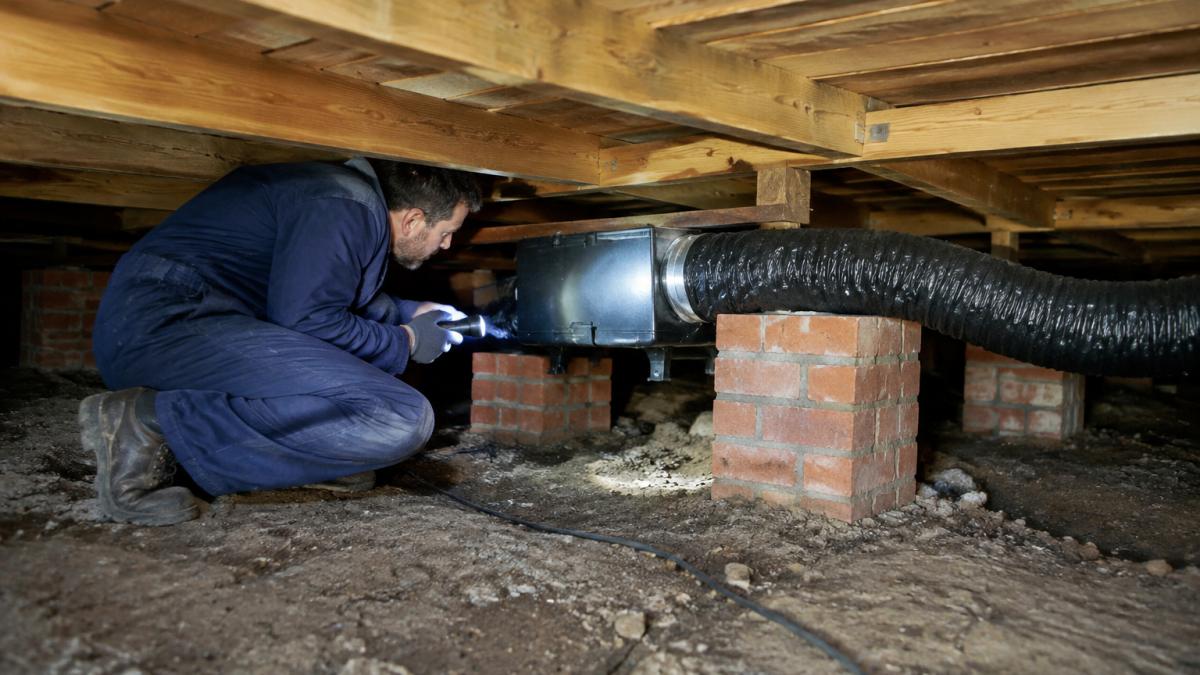
Poor airflow under the floor lets moisture build, which feeds mould, musty odours and pest activity. A well-designed system uses fans and ducts to draw damp air out and pull drier air in.
Doctor Damp Ventilation designs and installs sub-floor ventilation systems, including subfloor insulation and ducted exhaust systems. If you own an older home, read does your older home need subfloor ventilation? to check whether it suits your property. Before you invest, weigh up whether subfloor ventilation systems are worth it.
Comparing Damp Proofing Options by Cause, Suitability and Trade-offs
No single treatment fixes every cause. Use this comparison to match the option to the problem, then confirm the cause before committing.
| Option | Best For | Trade-offs | What Success Looks Like |
|---|---|---|---|
| Chemical injection DPC | Confirmed rising damp on suitable walls | Not for all historic fabric; needs correct diagnosis; drilling and chemical use | Moisture readings fall over weeks to months; salts may persist |
| External repairs | Penetrating damp | Must be done first; ongoing maintenance | Wall stops re-wetting after rain; damp patches dry |
| Lime replastering | Breathable walls after treatment | Slower to apply; needs skilled trade; curing time | Plaster dries evenly; no trapped moisture behind finish |
| Tanking/waterproof coating | Some basements and cellars | Traps moisture; avoid on breathable walls | Interior stays dry, but moisture must go elsewhere |
| Subfloor ventilation | Suspended timber floors | Needs power and correct design; ongoing running cost | Subfloor air feels drier; musty odours reduce |
| Improved ventilation | Condensation | Habits and airflow must change too | Less surface condensation; mould does not return |
The right choice depends on the cause, the wall type and the budget. A wall treatment that ignores the moisture source will fail.
Matching the Treatment to the Cause
Start with the cause, not the product. If the damp is condensation, no amount of injection or tanking will fix it; the answer is ventilation, heating and moisture management. If it is penetrating damp, external repairs come first and internal treatment second.
For older properties, breathable options usually sit above impermeable ones. Lime plaster and lime mortar allow moisture to move and evaporate, while cement and tanking can trap it.
Realistic Drying Times and Monitoring
Damp proofing is not instant. After fixing the cause, walls can take weeks or months to dry, depending on thickness, construction and weather. Do not judge success by appearance alone in the first few days.
A practical monitoring routine:
- Take moisture readings at fixed points every few weeks and record them
- Note weather conditions when readings are taken
- Check that ventilation is working and not blocked
Watch out: if readings do not trend downward after a reasonable period, the original diagnosis may have been wrong or a second moisture source may be active. Reassess rather than adding another treatment on top.
Cost and Disruption in Context
Costs vary with access, wall type, extent of work and whether heritage constraints apply. Rather than comparing headline prices, compare what each option includes: diagnosis, making good, replastering, ventilation and guarantees.
Disruption matters too. Injection and replastering generate dust and require drying time; tanking can affect internal finishes; subfloor ventilation needs power and access.
If you are unsure which option fits your property, get the diagnosis right first, then compare quotes on a like-for-like basis.
Consent, Regulations and When to Call a Damp Specialist
Heritage or historic buildings may need approval before external or structural changes. Check with your local council before altering a listed or heritage property.
Call a damp specialist when:
- Damp keeps returning after DIY attempts
- You see salts, rot or widespread mould
- The cause is unclear after basic checks
We are fully licensed. To arrange subfloor work, see our subfloor ventilation service. Ready to act? Contact us or call 1300 557 687.
If anyone in the home has asthma or breathing trouble made worse by damp, treat it as a priority and speak to a health professional.
Frequently Asked Questions
What is the best way to damp proof an older property?
There is no single best method, because the right damp proofing depends on the moisture source. Start with a proper diagnosis: check external defects such as blocked gutters, cracked render and failed flashings, then assess subfloor airflow and internal ventilation. Only after those are addressed should you consider wall treatments. For many older properties, improving subfloor ventilation and repairing with breathable materials solves the problem without invasive work. A specialist moisture assessment is worth the cost before committing to chemical injection or tanking.
Are chemical damp-proof courses suitable for older homes?
They are rarely the first choice for older buildings. Injected damp-proof courses suit some solid brick walls, but published guidance from building consultants warns they are often inappropriate for period construction because they do not address the actual moisture source. If rising damp is genuinely present, chemical injection may form part of a wider repair that includes replastering with breathable materials. Get an independent diagnosis first, and be cautious of any quote that recommends injection before investigating drainage, ground levels and subfloor conditions.
How can subfloor ventilation help prevent damp and mould in an older property?
Moisture rising from soil beneath a suspended floor accumulates in the subfloor and then moves into the house. Subfloor ventilation replaces that humid air with drier outside air, lowering humidity under the floor and reducing condensation on timbers and the underside of flooring. It can also help reduce rot. Effective systems combine clear, unobstructed vents with mechanical extraction where natural airflow is poor. Expect improvements over weeks rather than days, and monitor with a humidity meter to confirm the system is working.
When should you call a damp specialist?
Call a specialist when you have recurring musty odours, visible mould that returns after cleaning, crumbling skirting or plaster, or a persistent damp smell under the house. It is also worth calling if you have had conflicting diagnoses from different inspectors, since a moisture-focused assessment using readings rather than guesswork will settle the question. If anyone in the household has asthma or allergies, act early. A specialist should identify the moisture source, recommend the least invasive effective option, and give you measurable success criteria to check afterwards.
Damp in an older home rarely fixes itself, and guessing at the cause usually costs more than a proper assessment. At Doctor Damp Ventilation, we design and install subfloor ventilation systems, moisture control technology and non-toxic mould removal to help you eliminate damp, mould and musty odours for good. Get started with Doctor Damp Ventilation and create a healthier, drier home. Call 1300 557 687.

